The Definitive Guide to Pallet Liquidation: Strategies for Informed Buyers
Pallet liquidation provides a unique opportunity for shoppers in search of marked-down merchandise. Comprehending the intricacies of this sector is essential for success. From finding dependable marketplaces to examining merchandise conditions, the approach demands thorough evaluation. Additionally, avoiding common pitfalls can greatly impact potential profits. As entrepreneurs explore the various strategies for effective reselling, they need to stay informed about the intrinsic challenges at hand. The subsequent measures might determine their path toward increasing returns.
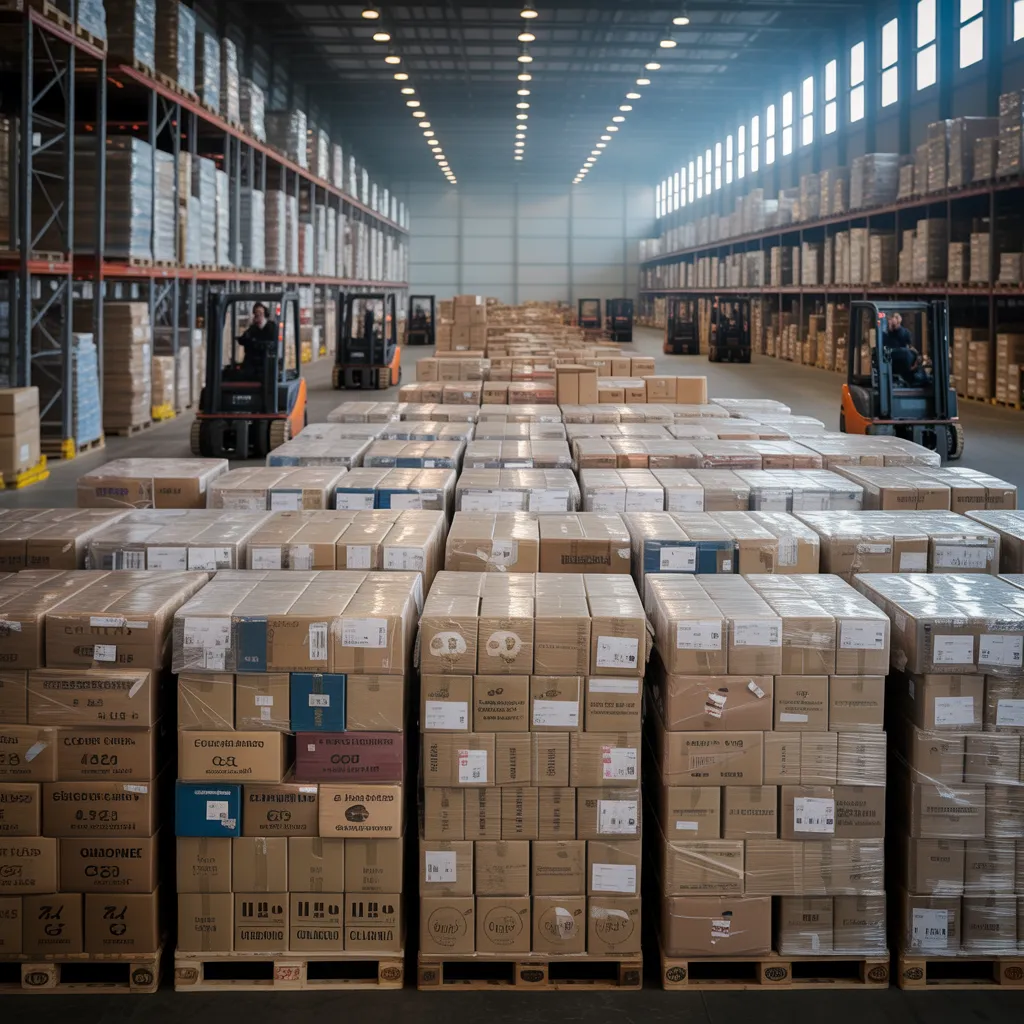
Understanding Pallet Liquidation: What It Is and How It Works
Pallet liquidation functions as an effective method for companies to manage excess inventory efficiently. This process involves the selling of substantial volumes of unsold goods, often packaged on pallets, to resellers or liquidators. Companies facing surplus or discontinued products typically turn to liquidation to recoup a portion of their original investment.
Liquidation pallets can contain a diverse range of products, including electronics, clothing, or household goods, acquired from a range of retailers. Buyers, including small businesses and individual entrepreneurs, buy these pallets with the intention of reselling the items for a profit.
The liquidation procedure commonly unfolds through auctions or direct sales, delivering a rapid answer for companies seeking to reduce their stock. Grasping the fundamentals of pallet liquidation is crucial for sellers striving to improve their inventory management as well as buyers pursuing lucrative resale opportunities in a demanding marketplace.
Top Benefits of Buying Liquidation Pallets
When small business operators explore budget-friendly options to build their inventory, purchasing liquidation pallets often emerges as an attractive option. Among the main advantages is the possibility of considerable financial savings, as such pallets are commonly available at a significantly reduced cost compared to retail. This enables companies to obtain stock at minimal expenses, thereby improving their profit margins.
Moreover, liquidation pallets commonly feature a wide variety of products, presenting buyers with the opportunity to present a wide selection to their customers. This range can help attract a range of consumer segments and enhance sales.
Additionally, acquiring liquidation pallets can lead to exceptional finds, including scarce and discontinued goods, which can help a business stand out in the marketplace. In the end, the ability to efficiently restore inventory levels through wholesale liquidation sourcing can enhance inventory control and adaptability to market shifts. Overall, these benefits make liquidation pallets an attractive solution for smart entrepreneurs.
Choosing the Right Liquidation Platform: Essential Factors to Evaluate
Selecting the ideal platform for buying liquidation pallets is crucial for making the most of these budget-friendly inventory options. Buyers should consider several key criteria when selecting a platform. To begin with, credibility matters greatly; well-known platforms tend to deliver more dependable products and services. Next, transparency in pricing and fees helps buyers make informed decisions without hidden costs. Additionally, the variety of available products can greatly impact potential profits; platforms with diverse inventory often cater to different market needs.
Customer support is another essential factor; prompt assistance can help purchasers navigate difficulties. In addition, user reviews and ratings offer insights into the experiences of other purchasers, aiding in assessing the dependability of the platform. By evaluating these elements, shoppers can strategically place themselves to make wise purchases of liquidation pallets, securing a rewarding acquisition process.
How to Inspect Liquidation Pallets Like an Expert
In the field of pallet liquidation, comprehensive inspection and market knowledge are vital for prosperity. A methodical strategy starts with assessing the state of pallets prior to buying, guaranteeing that inherent worth is acknowledged. Moreover, grasping the market price of goods found within these pallets can contribute to educated decisions and stronger profit returns.
Examine Before You Buy
Evaluating liquidation pallets prior to buying is essential for smart buyers seeking to get the most from their purchase. A thorough inspection enables buyers to assess the condition and quality of the items contained within. First, they should check for visible issues, such as dents or broken packaging, which could signal problems concerning the product. Moreover, it's vital to verify the item count against the manifest, confirming all items are accounted for. Buyers should also inspect high-value items closely, as these can substantially affect total profit margins. Finally, being aware of the return policy of the liquidation company can give extra peace of mind. By carrying out a detailed assessment, buyers can arrive at well-reasoned choices that improve their likelihood of profit in the resale market.
Investigate Market Value
After completing an extensive examination of liquidation pallet lots, the following step involves assessing their market worth. This critical phase helps buyers determine likely returns. To gauge market value, buyers should investigate similar merchandise online using platforms like eBay, Amazon, or specialized liquidation websites. Examining past sales can provide insight into price fluctuations and consumer interest. Additionally, consulting industry reports and forums can better clarify the existing market environment. Buyers should also consider factors such as condition, brand reputation, and seasonal trends, as these considerations heavily affect secondary market pricing. By performing thorough due diligence, buyers can arrive at well-considered conclusions, helping them allocate resources effectively and optimize their gains on liquidation pallet purchases.
Top Mistakes to Avoid When Buying Liquidation Pallets
Although many buyers are eager to dive into the world of liquidation pallets, several common mistakes can lead to disappointing purchases. One critical oversight is overlooking the seller's track record. Purchasers should examine comments and evaluations to guarantee they are engaging with a reputable supplier. Additionally, neglecting to inspect pallet manifests can result in unexpected surprises. Purchasers should routinely check the merchandise listing to evaluate prospective returns.
Another common misstep is not setting a budget. Impulsive buying background information can swiftly drive up costs, leading to financial strain. Shoppers should likewise refrain from disregarding shipping expenses, which can significantly reduce profit margins.
In addition,many newcomers fail to account for the time and effort involved in reselling and sorting merchandise. Thorough planning and practical expectations are necessary to prevent disappointment. By avoiding these pitfalls, shoppers can elevate their liquidation pallet experience and make smarter decisions.
Smart Strategies for Reselling Liquidation Pallets
Successfully reselling liquidation pallets requires a calculated method that reaches well past merely buying them. An experienced reseller starts by carefully assessing the contents of every pallet, identifying items with potential resale value. Researching market trends and consumer demand can help pinpoint which products are likely to sell quickly and at a profit.
To begin with, creating an online presence on platforms including online marketplaces or social media platforms can greatly enhance your audience. Developing persuasive posts with high-quality images and comprehensive information draws in motivated shoppers. In addition, establishing fair pricing while including shipping fees can lead to quicker transactions.
Networking with other resellers can deliver useful perspectives and collaborative possibilities, improving long-term success. Routinely analyzing inventory turnover helps resellers refine their methods based on results, optimizing their investment. By implementing these approaches, resellers can confidently operate within the liquidation market and increase their earnings.
Identifying Risks in Pallet Liquidation: Key Tips
In the domain of pallet liquidation, identifying potential risks is essential for success. Key factors such as evaluating product condition, researching seller reputation, and analyzing shipping costs can greatly impact outcomes. By focusing on these areas, buyers can reach more educated decisions and lower potential risks.
Know the Product Condition
Examining item quality is essential for buyers engaged in pallet liquidation, as it has a direct effect on possible returns. Buyers must identify the differences between new, used, and damaged items among the inventory. New products generally provide better profit margins, while secondhand goods could necessitate restoration or fixing. Damaged products pose significant risks, as they might fail to attract buyers or may result in economic drawbacks. A comprehensive evaluation of every product is essential, including checking for functionality, aesthetic issues, and completeness. Moreover, being aware of the refund terms of suppliers can shed more light on underlying hazards. By accurately evaluating item quality, purchasers are able to make informed decisions, ultimately maximizing their gains and limiting unnecessary losses in the liquidation process.
Research Seller Reputation
A thorough understanding of product condition paves the way for a further essential element of pallet liquidation: researching seller reputation. Purchasers should look for sellers who have demonstrated consistent reliability and transparency. This encompasses examining online reviews, testimonials, and scores from former customers. A trustworthy seller typically offers precise descriptions of their pallets, accompanied by thorough photographs. Additionally, engaging in forums or social media groups dedicated to pallet liquidation can yield valuable insights about potential sellers. Purchasers should remain cautious of sellers who are vague about their policies or previous track records. By diligently evaluating sellers, buyers can lower risks and increase their prospects for successful purchases in the pallet liquidation market.
Evaluate Shipping Costs
Shipping expenses can significantly affect the general profitability of pallet liquidation purchases. Shoppers should diligently examine these fees, as they can differ considerably based on copyright, distance, and load size. A thorough understanding of potential shipping fees allows buyers to make informed decisions when selecting pallets. Furthermore, unanticipated extra charges, such as fuel surcharges or handling costs, can further inflate costs. It is vital to obtain shipping quotes from several carriers to compare rates effectively. Shoppers may also want to look into nearby pickup arrangements, which may lower expenses and minimize risks associated with long-distance shipping. In the end, precisely determining freight costs ensures that purchasers preserve their profit margins in their liquidation pallet endeavors, making it a critical component of the acquisition process.
Common Questions and Answers
How Can I Determine the Value of a Liquidation Pallet?
To assess the worth of a liquidation pallet lot, examine its merchandise, study prevailing market values, factor in item condition and market demand, and estimate potential resale profits. A thorough evaluation provides knowledgeable purchasing decisions and maximizes overall potential returns.
Am I Able to Return a Pallet if I'm Unhappy With It?
Liquidation pallet transactions are largely considered final, and refunds are generally not available. Customers should diligently read through all terms and conditions before completing a purchase, so they are well-informed about the associated risks and the likelihood of encountering unsatisfactory products.
What Kinds of Products Can You Usually Find in Liquidation Pallets?
Liquidation pallets frequently include an assorted mix of merchandise, including home goods, electronics, toys, clothing, and appliances. The specific items vary by retailer, but purchasers can anticipate new as well as returned products across different conditions.
Are There Any Costs Involved With Purchasing Liquidation Pallets?
Absolutely, costs related to acquiring pallet liquidations can consist of shipping costs, processing fees, and occasionally a buyer's fee. These added fees depend on the supplier and must be considered in the overall purchasing decision.
How Can I Find Local Liquidation Sales or Auctions?
To discover liquidation sales and auctions in your area, individuals can search online classifieds, participate in social media groups dedicated to liquidation, reach out to local wholesalers, and copyright for newsletters from liquidation companies to receive alerts about upcoming events.